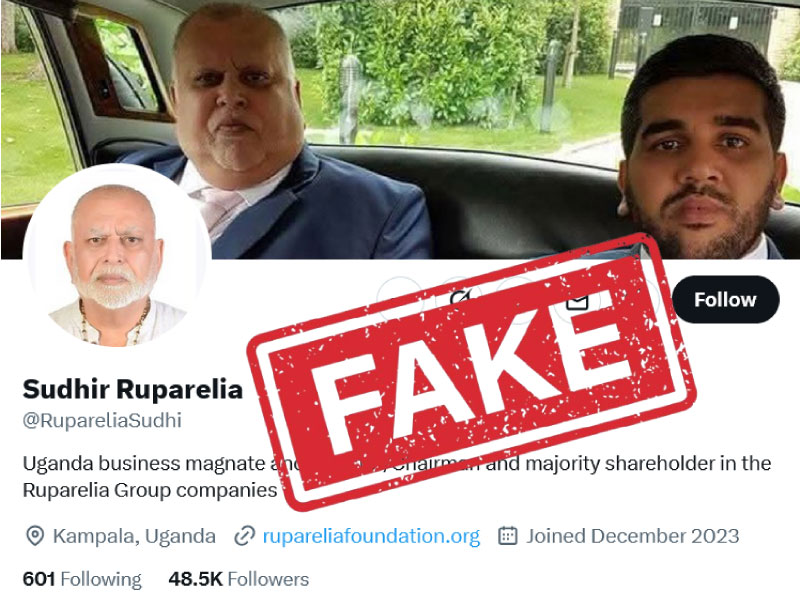
A fake social media account based in the UK is impersonating Nigerian actor Adeniyi Johnson—and he’s speaking out. With misinformation spreading at an alarming rate online, Johnson has stepped forward to clarify that the account is not affiliated with him, urging fans to disengage and avoid sharing or engaging with its content.
This isn't just another case of mistaken identity. It's a calculated attempt to exploit a public figure’s reputation for potential financial gain, misinformation, or audience manipulation. For Johnson, whose performances in Nollywood films have earned him a loyal following, the impersonation crossed a line.
Why Impersonation Matters in the Digital Age
Celebrity impersonation is far from rare. From actors to athletes, influencers to politicians, public figures are prime targets for digital fraud. What makes this case notable is how quickly the fake profile gained traction—using Johnson’s name, photos, and film credits—and how convincingly it mimicked his voice.
Scammers don’t just replicate profiles—they weaponize trust. They post content that appears authentic: behind-the-scenes footage, personal updates, and even direct messages offering “exclusive opportunities.” In Johnson’s case, the fake account reached out to followers offering investment schemes and charity fundraising under his name, a red flag that finally triggered user complaints.
When audiences can’t distinguish real from fake, the damage extends beyond reputation. It erodes credibility, enables financial scams, and undermines years of authentic engagement.
“If it sounds too good to be true, or if a celebrity is personally messaging you about money or prizes, pause. Verify.”
How the Fake Account Operated
The impersonation wasn’t amateurish. The UK-based account used high-resolution images from Johnson’s film promotions, correctly spelled his name, and even referenced real projects. It leveraged Instagram and X (formerly Twitter), platforms where visual authenticity often substitutes for verification.
Key tactics observed: - Copying real captions and post formats - Using a similar profile handle (e.g., @AdeniyiJohnsonOfficial vs. @AdeniyiJohnson) - Posting at times consistent with Johnson’s actual activity - Engaging followers with replies that mimicked his tone
But telltale signs gave it away. The account had no blue verification badge. Its follower count was disproportionately high compared to engagement—classic bot behavior. And crucially, it was registered in the UK, while Johnson primarily operates and engages from Nigeria.
More alarmingly, users reported being directed to third-party websites promising autographs, meetups, or audition opportunities—all requiring payment.
Adeniyi Johnson’s Response: Clarity and Caution
Johnson addressed the issue head-on through his verified social media channels. In a candid post, he stated:
“There is a fake account impersonating me, currently active from the UK. I do not have any official account outside my verified profiles. Please report it and do not engage.”
He also emphasized that he would never: - Ask for money via DM - Offer casting calls through social media - Promote cryptocurrency or investment schemes
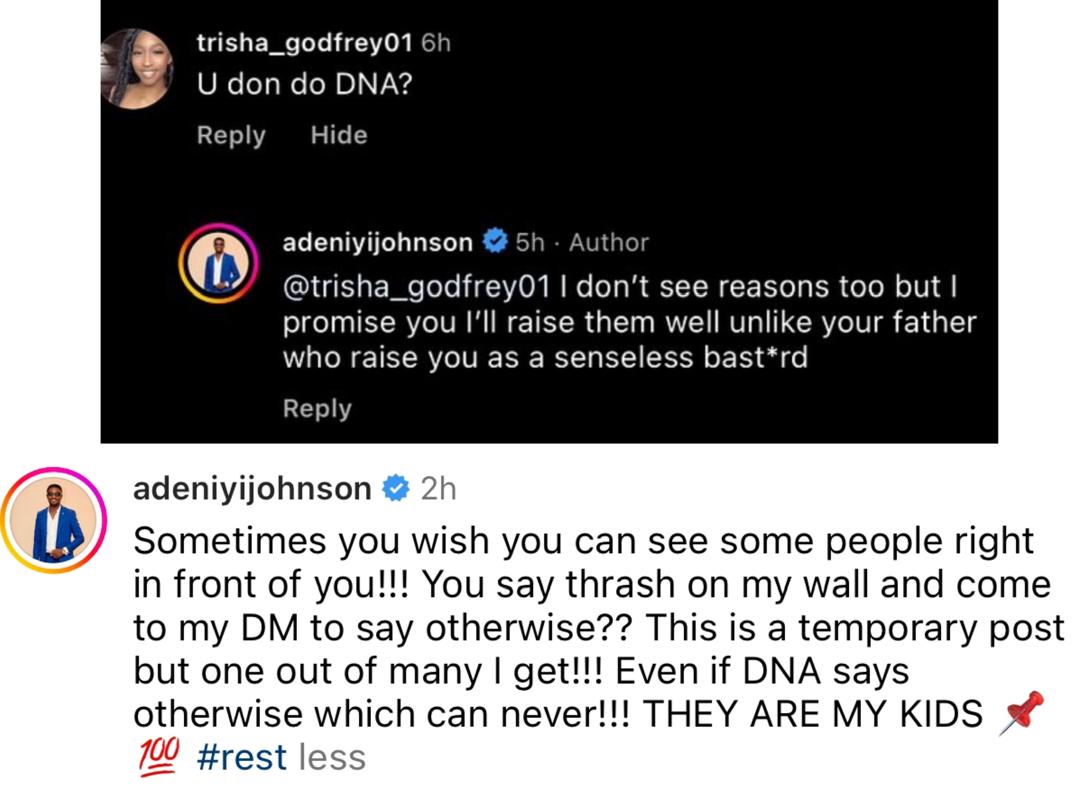
The statement was backed with screenshots comparing the real and fake profiles, a move that provided users with immediate visual verification tools.
Johnson’s team has since filed reports with Meta (Instagram) and X, requesting immediate takedown under impersonation policies. While platform responses vary, verified reports from legitimate accounts typically receive priority.
The Risks Fans and Followers Face
Impersonation doesn’t just harm the celebrity—it puts audiences at risk. Common consequences include:
- Phishing scams: Fake links that steal login credentials
- Financial fraud: Requests for money under false pretenses
- Malware distribution: Downloads disguised as exclusive content
- Reputation damage: Users unknowingly share harmful content believing it’s authentic
One fan reported losing over ₦50,000 ($65) after responding to a DM from the fake account, believing they were signing up for a film workshop. Another shared private photos when asked for “audition materials.”
These cases highlight a troubling reality: digital literacy lags behind platform usage, especially in regions with rapid internet adoption but limited cybersecurity education.
How to Spot and Report Fake Celebrity Accounts
Spotting impersonation requires vigilance. Here’s what to check:
1. Verification Badge Only verified accounts display the official blue checkmark. But beware: some users buy fake badges or use edited profile images to mimic verification.
2. Handle and Spelling Scammers often use slight misspellings: “AdeniyiJohn5on” or “Adeniyi_Johnsonn.” Compare the handle directly with the known official profile.
3. Follower-Engagement Ratio A profile with 100K followers but 10 likes per post is suspicious. Real engagement scales with audience size.
4. Posting History and Quality Fake accounts often post frequently but lack depth. Look for reused content, poor grammar, or inconsistent themes.
5. Location and Activity Patterns If an account claims to represent a Nigerian actor but posts primarily during UK business hours or references non-local events, it’s a red flag.
Action Steps:
- Screenshot the fake profile
- Report using platform tools (Settings > Report Account > Impersonation)
- Warn others in comments: “This is not the real Adeniyi Johnson”
- Bookmark the official account for future reference
Platform Responsibility: Where Social Media Falls Short
Despite policies against impersonation, platforms like Instagram and X often act slowly. Automated systems struggle to detect subtle fraud, and human review queues can take days or weeks.
Meta's impersonation policy states that “accounts pretending to be someone else with the intent to mislead” violate community standards. But enforcement is reactive—not proactive.
Users must report, wait, and hope. For public figures like Johnson, that gap creates a dangerous window for damage.
Worse, some fake accounts reappear under new names after being taken down—a whack-a-mole cycle that drains time and trust.
Solutions exist: - Faster verification for public figures from high-risk regions - AI-driven anomaly detection for behavioral patterns (posting times, language use) - Clearer labeling of international accounts claiming local affiliations
Until then, the burden falls on individuals to protect their identities and audiences.
How Public Figures Can Protect Their Digital Identity
Johnson’s case underscores the need for proactive digital hygiene. Here’s what celebrities and influencers should do:
✅ Secure All Verified Handles Register usernames across major platforms—even if not actively using them. This prevents squatters.
✅ Enable Two-Factor Authentication (2FA) Use app-based or hardware keys, not SMS, to prevent SIM-swapping attacks.
✅ Monitor Mentions Regularly Use free tools like Google Alerts or social listening platforms to track brand mentions.
✅ Publish Clear Contact Guidelines State publicly how you don’t engage: “I never DM fans for money” or “All auditions are through official casting agencies.”
✅ Collaborate with Cybersecurity Advocates Partner with digital rights groups to report recurring fraud and push for policy change.
Johnson’s transparency sets a strong precedent. By educating his audience, he transforms a threat into a teaching moment.
The Bigger Picture: Identity in the Age of Deepfakes
This incident is a warning sign. As AI-generated content becomes more sophisticated, the next wave of impersonation may not rely on stolen photos—but on entirely synthetic media.
Imagine a fake video of Adeniyi Johnson endorsing a product, speaking in Yoruba, with perfect lip-sync—yet entirely fabricated. That’s not sci-fi. It’s possible today.
Without stronger regulations and platform accountability, digital impersonation will evolve from profile theft to full identity simulation.
Public figures must stay ahead. Audiences must stay skeptical. And platforms must stop treating verification as a privilege and start treating it as a protection.
Stay Alert, Stay Verified
Adeniyi Johnson’s decision to speak out isn’t just about stopping a scam—it’s about reclaiming authenticity in a space built on illusion. For fans, the takeaway is clear: trust, but verify.
Check the badge. Question the message. Report the fraud. And always, always go directly to the source.
Celebrities can’t police the internet alone. But together—with awareness, tools, and collective vigilance—we can make impersonation a dead end, not a gateway.
How do I know if a celebrity social media account is real? Look for the official verification badge, consistent posting history, and direct confirmation from the person’s known channels. Avoid accounts with suspicious links or financial requests.
What should I do if I see a fake account of Adeniyi Johnson? Report it immediately on the platform using the impersonation report tool. Share a warning with your network and avoid interacting with the profile.
Can fake accounts steal my money? Yes. Impersonators often run phishing scams, fake giveaways, or investment schemes. Never send money or personal details to unverified accounts.
Why would someone impersonate Adeniyi Johnson? To gain followers, spread misinformation, or commit financial fraud by exploiting his reputation and fan base.
How can Adeniyi Johnson protect himself online? By securing all social media handles, using 2FA, monitoring for impersonation, and educating his audience on how he communicates.
Did Adeniyi Johnson lose money from the fake account? There’s no public confirmation that he suffered direct financial loss, but fans have reported monetary scams linked to the impersonator.
Are UK-based fake accounts more dangerous? Not inherently, but international accounts can exploit jurisdictional delays in enforcement and appear more credible due to perceived legitimacy.
FAQ
What should you look for in Adeniyi Johnson Exposes Fake UK Account Impersonating Him? Focus on relevance, practical value, and how well the solution matches real user intent.
Is Adeniyi Johnson Exposes Fake UK Account Impersonating Him suitable for beginners? That depends on the workflow, but a clear step-by-step approach usually makes it easier to start.
How do you compare options around Adeniyi Johnson Exposes Fake UK Account Impersonating Him? Compare features, trust signals, limitations, pricing, and ease of implementation.
What mistakes should you avoid? Avoid generic choices, weak validation, and decisions based only on marketing claims.
What is the next best step? Shortlist the most relevant options, validate them quickly, and refine from real-world results.


)